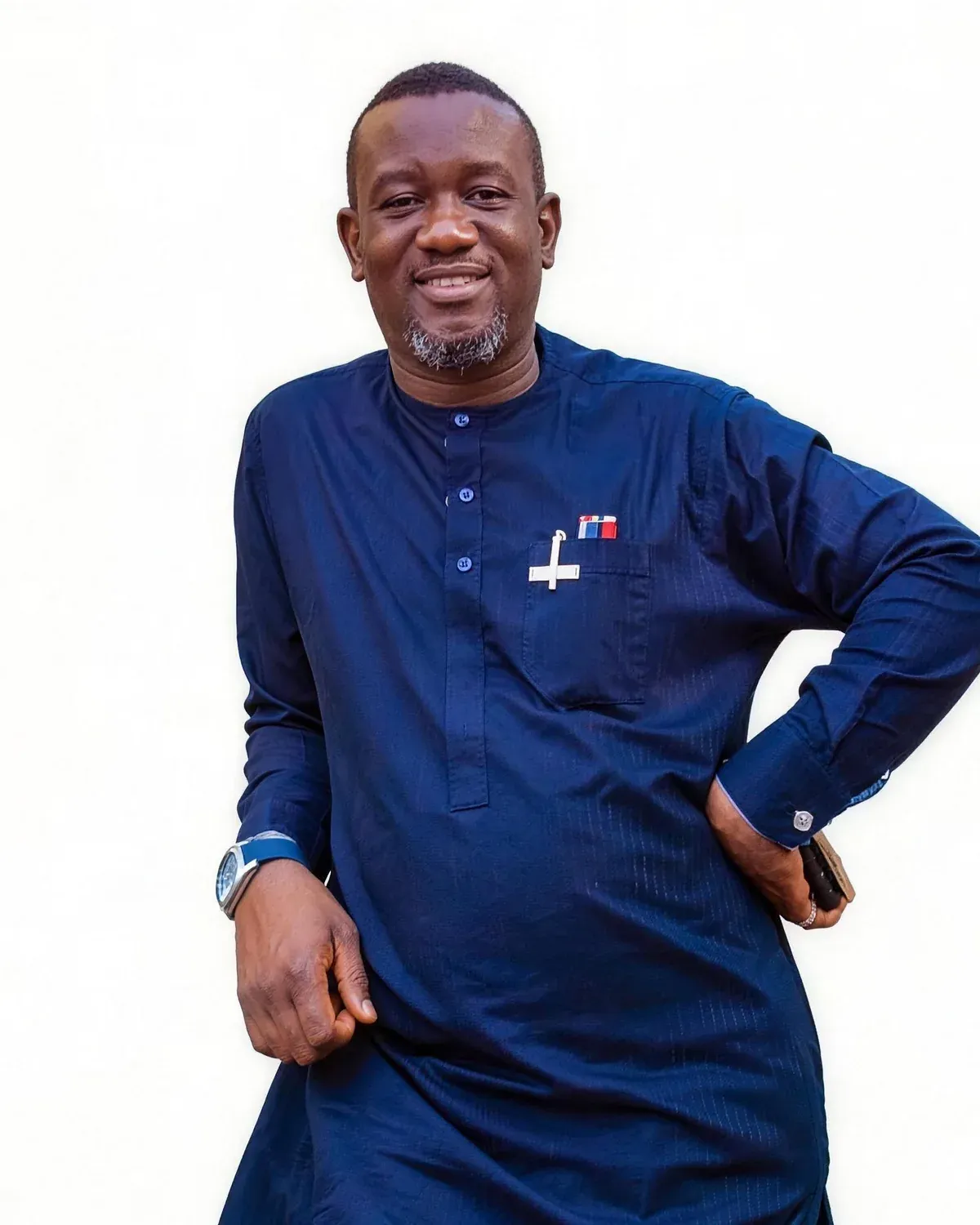
Over the past several weeks, Hon. Andrew Torhile Uchi has undertaken a series of consultative engagements across the length and breadth of Gboko/Tarka Federal Constituency - listening to the voices of community leaders, traditional rulers, women’s groups, youth associations, religious leaders, and ordinary citizens whose daily experiences define the real priorities of this constituency.
These engagements were not designed as political rallies. They were structured as genuine conversations - deliberate, respectful, and focused on understanding the specific needs, concerns, and aspirations of the people in each community. The purpose was clear: before one can speak for a constituency, one must first listen to it.
The Approach: Listening Before Leading
In an era when political engagement is often reduced to large gatherings and one-directional speeches, Hon. Andrew Torhile Uchi has chosen a fundamentally different approach. Each engagement was designed to be intimate, substantive, and participatory. Small gatherings of community stakeholders were given the space to articulate their priorities, raise their concerns, and ask direct questions.
This approach reflects a core belief: that meaningful representation must be informed by genuine understanding. The needs of a farming community in Tarka are different from those of traders in Gboko town. The concerns of youth graduating from our tertiary institutions are different from those of the women who run our local markets. A representative who does not understand these distinctions cannot serve this constituency effectively.
“You cannot represent people you have not listened to. And you cannot listen if you are always the one speaking. Leadership begins with the discipline of hearing what others need.”
Engagement with Traditional Rulers and Community Elders
Among the most significant of these engagements were the consultative sessions with traditional rulers and community elders across both Gboko and Tarka local government areas. These meetings were characterised by a mutual respect that set the tone for the entire series of dialogues.
The elders spoke with a clarity and directness that reinforced the urgency of effective representation. Several themes emerged consistently:
- Security and Peace: The safety of farming communities and the resolution of recurring conflicts between herders and farmers were raised as the most pressing concerns. Elders emphasised that without security, no other development is possible.
- Respect for Traditional Institutions: There was a strong call for the recognition of traditional governance structures in the formulation of policies that affect local communities.
- Infrastructure Neglect: Road networks connecting rural communities to markets and urban centres were described as critically deteriorated. Several elders noted that this neglect has deepened the isolation of farming communities and reduced their economic viability.
- Youth Development: A consistent concern was raised about the lack of opportunities for young people, leading to frustration and, in some cases, migration out of the constituency entirely.
Hon. Andrew Torhile Uchi received these concerns with the gravity they deserved, noting that the wisdom of the elders provides an indispensable foundation for any serious legislative agenda.
Dialogues with Women’s Groups and Market Leaders
The engagement with women’s groups across the constituency was particularly illuminating. Women leaders from various communities spoke with remarkable candour about the challenges they face - from limited access to capital for small businesses, to inadequate healthcare facilities, to the burden of caring for families in the absence of basic social infrastructure.
One market leader from Gboko articulated what many others echoed: the need for a representative who does not merely acknowledge the contributions of women during campaigns, but actively works to remove the structural barriers that limit their economic participation throughout the electoral term.
Hon. Andrew Torhile Uchi outlined his commitment to championing legislative measures that support women’s economic empowerment, improve maternal healthcare access, and ensure that the voices of women are included in constituency-level decision-making. He noted that any development agenda that does not centre the needs and contributions of women is, by definition, incomplete.
Youth Forums and Conversations on the Future
Perhaps the most energetic and forward-looking of the engagements were the youth forums held across the constituency. Young people - graduates, artisans, entrepreneurs, and students - came with a mixture of hope and frustration. They spoke of the desire for opportunities that match their education and ambition, and of the deep disappointment that comes from feeling unheard by those in positions of power.
Key issues that dominated these conversations:
- Skills Acquisition and Entrepreneurship: Young people expressed a strong desire for programmes that go beyond theoretical training and provide genuine pathways to self-employment and business ownership.
- Digital Inclusion: Access to technology and digital literacy were highlighted as essential for the constituency’s young population to compete in the modern economy. Many noted the inadequacy of internet infrastructure in rural areas.
- Political Inclusion: There was a clear demand for more meaningful involvement of young people in political processes - not as instruments of mobilisation, but as genuine participants in governance.
- Education Quality: The quality of education in local schools and the condition of educational facilities were raised repeatedly.
“Our young people do not need pity. They need platforms. They do not need handouts. They need honest opportunities. And they deserve a representative who treats their ambitions with the seriousness they warrant.”
Engaging with Religious and Civil Society Leaders
Separate consultative sessions were held with religious leaders - both Christian and Muslim - and with civil society organisations active within the constituency. These discussions centred on the moral and ethical dimensions of leadership, the importance of unity across religious and ethnic lines, and the role of civil society in holding elected officials accountable.
Religious leaders emphasised the need for a representative whose conduct reflects moral integrity. Civil society leaders stressed the importance of transparency, regular reporting to constituents, and the establishment of mechanisms for ongoing accountability.
Hon. Andrew Torhile Uchi welcomed these perspectives, noting that they align precisely with the values that have defined his public identity.
What These Engagements Revealed
Taken together, these consultative dialogues painted a detailed and instructive portrait of the constituency:
- The people are not apathetic - they are underserved. Across every community visited, the level of engagement and passion demonstrated that the people are deeply invested in their future. What they lack is not motivation, but responsive representation.
- Trust must be rebuilt through action, not words. Years of broken promises have created a deep well of scepticism. The people are looking for consistency, not campaign-season promises.
- The constituency’s potential is enormous. From its agricultural wealth to its human capital, Gboko/Tarka has the raw materials for transformation. What is needed is leadership that can translate this potential into organised, measurable progress.
- Unity is a shared priority. Across ethnic, religious, and generational lines, there was a consistent call for leadership that unites rather than divides.
The Road Ahead
These engagements represent the beginning, not the end, of a process. More consultative dialogues are planned across additional communities, with a particular focus on reaching the most underserved areas and the voices that are least often heard.
The goal is clear: to arrive at 2027 not with assumptions about what the people need, but with a documented, consultative understanding that has been tested and refined through genuine engagement.
The people of Gboko/Tarka Federal Constituency have spoken with clarity and conviction. They have shared their concerns, their hopes, and their expectations. The responsibility now is to honour those voices with action that matches their seriousness - and that is precisely what Hon. Andrew Torhile Uchi intends to do.